
Thermal Interface Materials (TIM)
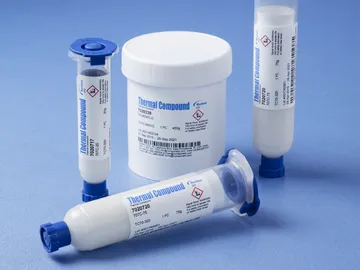
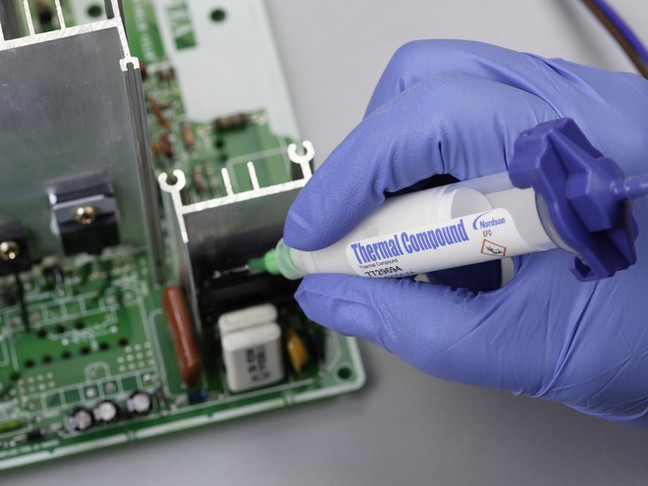
Non-silicone thermal compounds are widely used in electronic and electromechanical applications because they offer resistance to thermal cycling degradation. Our thermal compounds are formulated to provide excellent heat transfer, long shelf life stability, and are RoHS and REACH compliant (lead-free).
Overview
Conventional, silicone-based thermal compound and greases tend to spread after a number of heating and cooling cycles (so called pump-out), creating voids, and losing effectiveness, leading to overheating of electronic components and premature product failure.
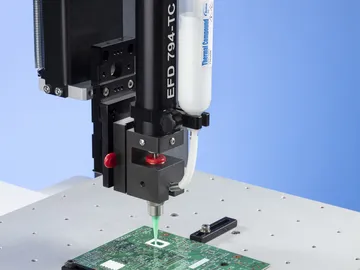
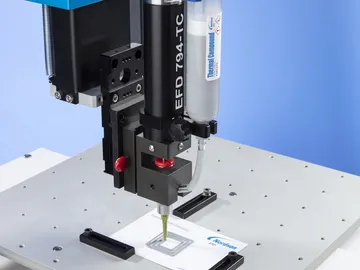
Our synthetic-based, silicone-free thermal interface materials resist degradation caused by thermal cycling, which makes them suitable for use in a wide range of electronic and electromechanical applications. Depending on application requirements, users can choose from a wide array of formulas, each with unique features and benefits.
Reference our Thermal Compound Selection Guide below for easy comparison of key characteristics of our most popular formulas. Individual formula data sheets highlight features and benefits along with full technical details.
Mechanics of Heat Transfer
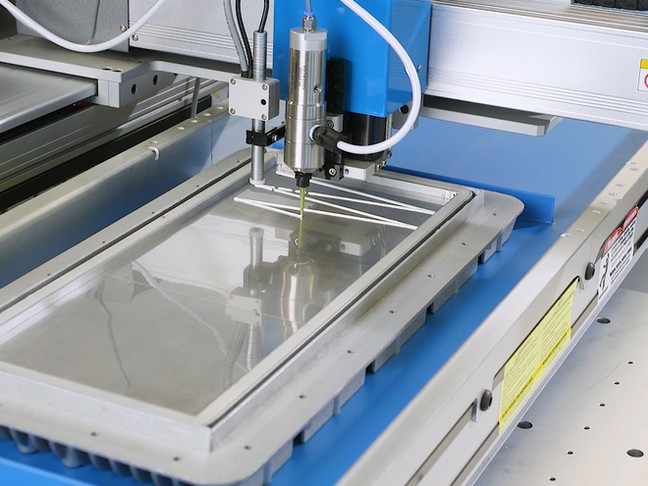
Choosing the best thermal compound requires some understanding of the mechanics of heat transfer and how the thickness of the thermal compound layer, the bond line thickness, influences product choice.
Bond Line Thickness
Bond line can be divided into three categories:
- Low, at less than 75 μm
- Medium, from 75 to 250 μm
- High, at greater than 250 μm
Conductivity and Resistance
There are two critical thermal performance characteristics: Thermal Conductivity (TC) and Thermal Resistance (TR). In low bond line applications, thermal resistance dominates performance. In high bond line applications, thermal conductivity dominates performance. In medium bond line there is a blended influence.
DATA SHEET
z-z1159819536864.png)
Thermal Compounds Selection Guide